

☰What’s in this guide21 sectionsShowHide
- 1What is “forgotten money”?
- 2Forgotten pensions (the most common one)
- 3How to find a lost pension yourself (free)
- 4Pros & cons of the government pension tool
- 5Pros
- 6Cons
- 7Lost bank & building society accounts
- 8How to find lost bank accounts yourself (free)
- 9Pros & cons of My Lost Account
- 10Pros
- 11Cons
- 12Lost investments & savings
- 13Using Gretel to find forgotten money (all-in-one option)
- 14How Gretel works
- 15Why we’re recommending Gretel
- 16Pros & cons of using Gretel
- 17Pros
- 18Cons
- 19Which route should you use?
- 20Things to watch out for
- 21Final thoughts
What is “forgotten money”?
“Forgotten money” usually refers to financial products you once had, but no longer actively manage or remember.
This can include:
- lost workplace or personal pensions
- old bank or building society accounts
- forgotten savings accounts
- investment accounts you’ve lost track of
In many cases, the money is still yours — you just need to locate it.
Forgotten pensions (the most common one)
Lost pensions are incredibly common, especially if you:
- changed jobs regularly
- were auto-enrolled into workplace pensions
- worked for multiple employers over the years
Even small pension pots can grow over time, so it’s always worth checking.
How to find a lost pension yourself (free)
The official government service is:
This tool:
- helps you find contact details for old pension providers
- works using employer or scheme names
- is completely free
Important:
It won’t tell you how much your pension is worth — only who to contact. You’ll still need to reach out to the provider yourself.
Pros & cons of the government pension tool
Pros
- Free
- Official
- Good starting point
Cons
- Manual follow-ups required
- Can be slow if you had multiple jobs
- You’ll need to chase providers yourself
Lost bank & building society accounts
Old bank accounts can be forgotten if you:
- switched current accounts
- opened savings accounts years ago
- moved house and lost paperwork
- stopped using an account with a small balance
These accounts don’t disappear — the money is still there.
How to find lost bank accounts yourself (free)
The main industry-backed service is:
This allows you to search for:
- old bank accounts
- building society accounts
- some savings products
You submit your details once, and participating firms check their records.
Pros & cons of My Lost Account
Pros
- Free
- Covers many UK banks and building societies
- Simple form
Cons
- Doesn’t cover every provider
- Response times can vary
- May require follow-up paperwork
Lost investments & savings
Investments can be forgotten if you:
- opened accounts via employers
- invested small amounts years ago
- used platforms that later changed names
- lost login details or paperwork
This is where things often get tricky, as there’s no single government tool covering all investments.
Using Gretel to find forgotten money (all-in-one option)
One of the simplest ways to check for lost pensions, bank accounts, and investments in one go is using Gretel.
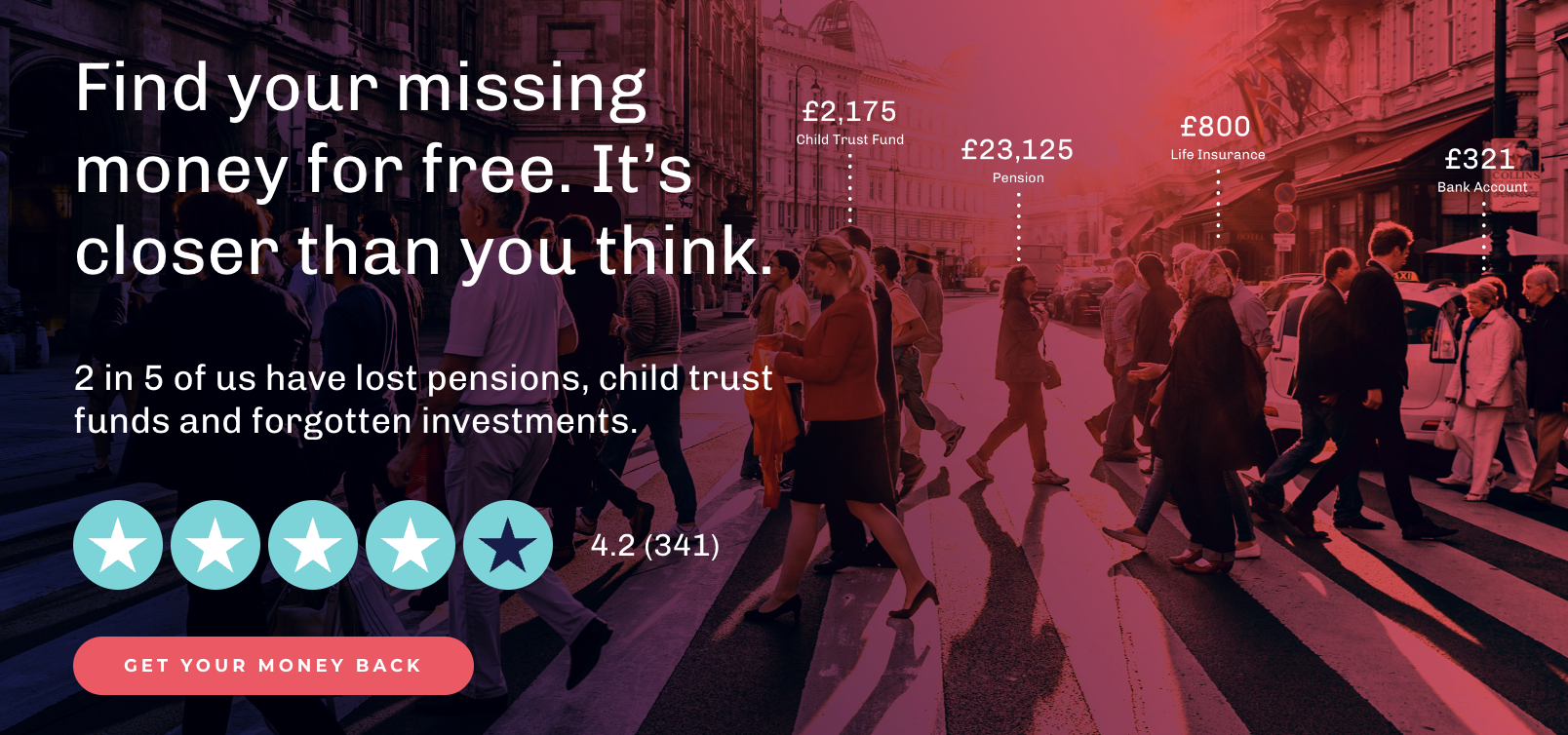
How Gretel works
Gretel:
- securely checks your details against participating financial providers
- searches for lost pensions, bank accounts, and investments
- tells you if matches are found
- helps reconnect you with the provider
Importantly, the search is free.
Why we’re recommending Gretel
Gretel makes sense if:
- you’ve had multiple jobs or accounts
- you don’t know where to start
- you want one place to check everything
- you’d rather avoid filling in multiple forms
It can save time compared to using separate tools for pensions, banks, and investments.
Pros & cons of using Gretel
Pros
- Free to check
- Covers multiple account types
- Minimal effort
- Good for people with complex histories
Cons
- Not every provider is connected
- You may still need to contact providers directly
- Not a replacement for official records
It’s best viewed as a starting point, not a guarantee.
Which route should you use?
There’s no single “best” option — it depends on how hands-on you want to be.
If you prefer full control:
- Use the government pension tool
- Use My Lost Account
- Contact providers directly
If you want something simple and centralised:
- Use Gretel to check everything in one place
Many people do both — starting with Gretel, then following up manually if needed.
Things to watch out for
- You’ll usually need:your full namedate of birthprevious addresses
- your full name
- date of birth
- previous addresses
- Searches can take time — don’t expect instant results
- Be wary of any service that charges just to search
Final thoughts
Forgotten money isn’t rare — it’s just overlooked.
If you’ve:
- changed jobs
- moved house
- switched banks
- or opened accounts years ago
…it’s worth spending a bit of time checking.
Even small amounts can add up, and larger pots — especially pensions — can make a real difference later on.
There’s no downside to checking, and most tools are completely free.